
Should I Be Using Ear Plugs or Ear Muffs?
The CDC tells us that roughly 27 million workers are exposed to hazardous noise at work annually, with 1 in 9 workers in the U.S. having hearing difficulty. However, hearing protection is one area of PPE that we often see being used in ineffective ways. So, today we are taking a look at the various options for hearing protection to help you discern what kind of hearing PPE is necessary for your purposes.
First, it is important to understand what OSHA requires of employers in regards to protecting against hearing risks. OSHA standard 1910.95(b) details “permissible noise exposures” in its Table G-16. This table indicates a sound level dBA slow response and the daily duration allowed at that level. It is the responsibility of the employer to first work to limit this risk through environmental and administrative action. But, if noise levels cannot be brought to a safe level with administrative action, proper PPE must be provided.
This is where the ear plug vs. ear muff conversation comes into play. For all settings where employees are exposed to 8 hours (time-weighted average) of 85 decibels or more, hearing protection must be provided and employers must ensure that it is worn. OSHA Standard 29 CFR 1910.95(i)(3) states that “employees shall be given the opportunity to select their hearing protectors from a variety of suitable hearing protectors provided by the employer.” This means that offering only one hearing protection option does not meet requirements according to OSHA.
Choosing your hearing protection options is first and foremost about the level of protection. If it meets the appropriate level of protection for the situation, then ear plugs and ear muffs can be used interchangeably. One of our trusted hearing protection vendors, Pyramex, also encourages opting for even a slightly higher level of protection than your expected noise level requires, in order to ensure the best possible outcome.
Ear plugs often come at a lower cost and are frequently a preference of manufacturing and other operations where PPE is largely staying on the premises. The small nature of plugs, whether they are corded or not, makes them easy to lose in all settings. However, in more stationary work they are less likely to be lost or misplaced as many times over the course of a shift. One of the downfalls of some ear plugs is improper use by the wearer. If the plug is not inserted by gently pulling back the ear to open the ear canal, it is likely not providing the proper level of protection.
Ear muffs are typically a higher price point when compared to an individual pair of plugs. But they are also generally used long-term by an employee, where we may see ear plugs being discarded daily or weekly depending on whether they are reusable or not. Ear muffs can be found in a variety of colors to allow for quick identification, with added electronic features for audio input, and with various fits for added comfort. A downfall of ear muffs is that the bulkier size and heavier weight of ear muffs causes the wearer to experience some added fatigue.
There are also some settings where the proper selection is not actually an “either/or” but is instead a “both/and.” These situations typically involve very high volume noise hazards requiring added protection. For example, the Venture Gear Muff (PS-VGPM8010C) offered in our online store from Pyramex meets the standard for an NRR 25dB rating on its own. However, when earplugs are added, that rating jumps to NRR 37dB.
So, with all of this in mind, what hearing protection options should you be purchasing for your workplace? For all settings we can say that you must provide more than one option that meets the required level of protection, but beyond that it becomes very specific to your needs. Give us a call at 919-602-2503 or reach out to marketing@safetypackonline.com to talk it over with us!
Resources:
- CDC, "About Occupational Hearing Loss" (2026): https://www.cdc.gov/niosh/noise/about/index.html
- OSHA Occupational noise exposure: https://www.osha.gov/laws-regs/regulations/standardnumber/1910/1910.95
- Pyramex resource: https://www.pyramex.com/blogs/blog-post/a-comprehensive-guide-to-eye-and-hearing-protection
-
 Hearing Protection
 -
 Original price $29.70 - Original price $29.70Original price$29.70$29.70 - $29.70Current price $29.70
Bullhead Safety® Hearing Protection - Orange Polyurethane Foam Bullet Earplug Uncorded, NRR 33 dB. 200 Pairs/Box
Global GloveSingle-use disposable earplugs 100% PVC-free polyurethane foam Extra-soft, lightweight foam ...
View full detailsOriginal price $29.70 - Original price $29.70Original price$29.70$29.70 - $29.70Current price $29.70 -
 Original price $114.60 - Original price $114.60Original price$114.60$114.60 - $114.60Current price $114.60
Pura-Fit® PlugStation®, Corded Disposable Earplugs, NRR 33dB, 150 Pairs per Dispenser
MoldexCompliance — High visibility to increase awareness for your hearing conservation program Convenience — Hang a PlugStation anywhere plugs are need...
View full detailsOriginal price $114.60 - Original price $114.60Original price$114.60$114.60 - $114.60Current price $114.60 -
 Original price $27.35 - Original price $27.35Original price$27.35$27.35 - $27.35Current price $27.35
Disposable Corded Earplugs, NRR 32dB/SNR 36dB
PyramexCorded NRR 32dB/SNR 36dB, CE EN-352-2:2002 Certification Contoured fit disposable polyurethane earplug Available in a dispenser box 100 p...
View full detailsOriginal price $27.35 - Original price $27.35Original price$27.35$27.35 - $27.35Current price $27.35 -
 Original price $46.05 - Original price $46.05Original price$46.05$46.05 - $46.05Current price $46.05
Reusable Earplugs, 3-Flanges of Flexible Rubber Form, Plastic Case - NRR 24dB
PyramexNRR 25dB Constructed of flexible rubber for superb comfort. Three flanges of flexible rubber form a cozy seal for all size ear canals. Packaged in...
View full detailsOriginal price $46.05 - Original price $46.05Original price$46.05$46.05 - $46.05Current price $46.05 -
 Original price $32.35 - Original price $32.35Original price$32.35$32.35 - $32.35Current price $32.35
Venture Gear Muff - Low Profile Design, Fold-Away Padded Headband, NRR 25dB
PyramexNRR 25dB | SNR 32dB (NRR 37dB when worn with earplugs) Low profile design. Soft foam ear cups. Fold-away padded headband. Available in a free...
View full detailsOriginal price $32.35 - Original price $32.35Original price$32.35$32.35 - $32.35Current price $32.35 -
 Original price $20.90 - Original price $20.90Original price$20.90$20.90 - $20.90Current price $20.90
Venture Gear Muff - Low Profile Design, Fold-Away Padded Headband, NRR 24dB
PyramexNRR 24dB (NRR 34dB when worn with earplugs) Low profile design. Soft foam ear cups. Fold-away padded headband. Available in a freestanding/hanging...
View full detailsOriginal price $20.90 - Original price $20.90Original price$20.90$20.90 - $20.90Current price $20.90 -
 Original price $10.65 - Original price $10.65Original price$10.65$10.65 - $10.65Current price $10.65
Earmuffs - Dielectric, Durable Nylon Headband, NRR 23dB
PyramexNRR 23dB Dielectric Durable nylon headband Soft foam ear cups Individually packaged Custom imprinting available SKU: PS-PM2010 Price per unit....
View full detailsOriginal price $10.65 - Original price $10.65Original price$10.65$10.65 - $10.65Current price $10.65 -
 Original price $11.60 - Original price $11.60Original price$11.60$11.60 - $11.60Current price $11.60
Earmuffs - NRR 21dB
PyramexNRR 21dB Durable nylon headband Soft foam ear cups Rotatable headband Individually packaged SKU: PS-PM2000 Price per unit. Check out the sp...
View full detailsOriginal price $11.60 - Original price $11.60Original price$11.60$11.60 - $11.60Current price $11.60 -
 Original price $38.65 - Original price $38.65Original price$38.65$38.65 - $38.65Current price $38.65
Orange PU Foam Bullet Earplug Dispenser Refill Pack, NRR 32 dB, 250 Pairs/Bag
Global GloveIncludes 250 pairs 100% PVC-free PU single-use earplugs Expandable, slow rebound bullet shaped foam Made of soft non-allergenic material Noise Red...
View full detailsOriginal price $38.65 - Original price $38.65Original price$38.65$38.65 - $38.65Current price $38.65 -
 Original price $63.55 - Original price $63.55Original price$63.55$63.55 - $63.55Current price $63.55
Bullhead Safety® Hearing Protection - 250 Pairs - Orange PU Foam Bullet Earplug Dispenser, NRR 32 dB
Global Glove250 pairs 2 mounting holes on the dispenser stand 100% PVC-free PU single-use earplugs Expandable, slow rebound bullet shaped foam Made of soft no...
View full detailsOriginal price $63.55 - Original price $63.55Original price$63.55$63.55 - $63.55Current price $63.55 -
 Original price $75.10 - Original price $75.10Original price$75.10$75.10 - $75.10Current price $75.10
Bullhead Banded Earplugs, NRR 22 dB, 10/Box
Global GloveReduces pressure on ear canal Each set includes one band plus two pairs of earplugs Soft...
View full detailsOriginal price $75.10 - Original price $75.10Original price$75.10$75.10 - $75.10Current price $75.10 -
 Original price $29.75 - Original price $29.75Original price$29.75$29.75 - $29.75Current price $29.75
Bullhead Safety® Hearing Protection - Orange Polyurethane Foam Bullet Earplug Corded, NRR 33 dB. 100 Pairs / Box
Global GloveSingle-use disposable earplugs 100% PVC-free polyurethane foam Extra-soft, lightweight foa...
View full detailsOriginal price $29.75 - Original price $29.75Original price$29.75$29.75 - $29.75Current price $29.75 -
 Original price $53.00 - Original price $53.00Original price$53.00$53.00 - $53.00Current price $53.00
3M™ PELTOR™ Optime™ 95 Earmuffs, Folding Over-the-Head, NRR 21dB
3MFolding - Cups fold up into the headband for compact storage For noise lev...
View full detailsOriginal price $53.00 - Original price $53.00Original price$53.00$53.00 - $53.00Current price $53.00 -
 Original price $34.10 - Original price $34.10Original price$34.10$34.10 - $34.10Current price $34.10
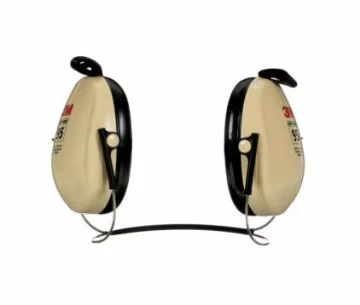
3M™ PELTOR™ Optime™ 95 Earmuffs, Behind-the-Head, NRR 21dB
3MFor noise levels up to 95 dBA Stainless steel construction resists bending and...
View full detailsOriginal price $34.10 - Original price $34.10Original price$34.10$34.10 - $34.10Current price $34.10 -
 Original price $34.05 - Original price $34.05Original price$34.05$34.05 - $34.05Current price $34.05
3M™ PELTOR™ Optime™ 95 Earmuffs, Over-the-Head, NRR 21dB
3MEarmuff provide hearing protection against high-frequency noise up to 95 dBA Ultra...
View full detailsOriginal price $34.05 - Original price $34.05Original price$34.05$34.05 - $34.05Current price $34.05 -
 Original price $40.75 - Original price $40.75Original price$40.75$40.75 - $40.75Current price $40.75
3M™ PELTOR™ Optime™ 101 Earmuffs, Behind-the-Head, NRR 26dB
3MFor noise levels up to 101 dBA Stainless steel band distributes weight for low-press...
View full detailsOriginal price $40.75 - Original price $40.75Original price$40.75$40.75 - $40.75Current price $40.75 -
 Original price $48.50 - Original price $48.50Original price$48.50$48.50 - $48.50Current price $48.50
3M™ PELTOR™ Optime™ 101 Earmuffs, Over-the-Head, NRR 27dB
3MEarmuffs recommended for TWA noise exposures up to 101 dBA Stainless steel headband di...
View full detailsOriginal price $48.50 - Original price $48.50Original price$48.50$48.50 - $48.50Current price $48.50 -
 Original price $38.60 - Original price $38.60Original price$38.60$38.60 - $38.60Current price $38.60
3M™ PELTOR™ Optime™ 98 Earmuffs H9A, Over-the-Head, NRR 25dB
3MRecommended for TWA noise exposures up to 98 dBA Stainless steel headband distributes we...
View full detailsOriginal price $38.60 - Original price $38.60Original price$38.60$38.60 - $38.60Current price $38.60 -
 Original price $209.75 - Original price $209.75Original price$209.75$209.75 - $209.75Current price $209.75
3M™ E-A-R™ Caboflex™ Model 600 Hearing Protector, NRR 17dB, 10 / Box
3MSilicone tips contain a foam core for an effective seal and good noise reduction Flexible ...
View full detailsOriginal price $209.75 - Original price $209.75Original price$209.75$209.75 - $209.75Current price $209.75 -
 Original price $132.35 - Original price $132.35Original price$132.35$132.35 - $132.35Current price $132.35
3M™ E-A-R Caps™ Model 200 Hearing Protector, NRR 17dB, 10 / Box
3MSoft foam caps block the entrance to the earcanal. Band is worn under the chin Ideal for ...
View full detailsOriginal price $132.35 - Original price $132.35Original price$132.35$132.35 - $132.35Current price $132.35


